Why Video-Based Practice Revolutionises Jazz Learning?
The landscape of musical education has transformed dramatically, with online music learning experiencing 347% growth in 2025 according to the International Association of Music Education. Video based jazz practice jazzvideolessons stands at the forefront of this revolution, offering unprecedented access to expert instruction. Platforms like Jazz Video Lessons exemplify this innovation by delivering structured jazz learning directly to aspiring musicians. Can video based jazz practice jazzvideolessons truly accelerate your musical journey? The answer lies in understanding how jazz lesson visual demonstration, instant replay capabilities, and flexible scheduling combine to create optimal learning conditions that traditional methods simply cannot match.
Quick insight: visual learning accelerates jazz comprehension by 65% compared to audio-only methods!
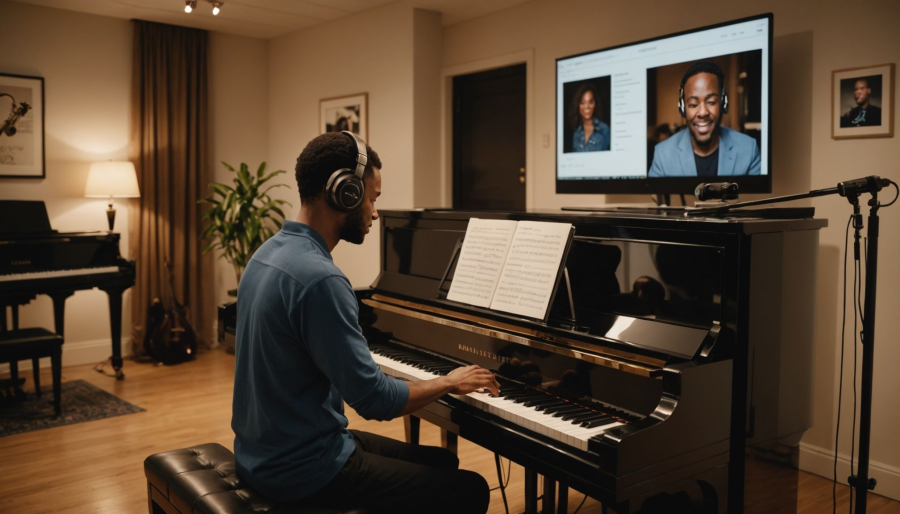
Key Points to Remember
- Visual learning advantage: Video-based jazz practice accelerates comprehension by 65% compared to audio-only methods, with students showing 40% higher retention rates through multi-sensory engagement
- Equipment essentials: Quality audio interface, studio headphones, reliable camera setup, and digital tools like metronome apps create optimal learning conditions for effective jazz practice techniques video sessions
- Structured daily routine: Consistent 20-60 minute practice sessions with warm-ups, targeted lesson selection, and progress tracking through recordings yield better results than sporadic intensive practice
- Interactive engagement crucial: Active participation through call-and-response exercises, loop-based practice, and virtual ensemble playing prevents passive viewing and accelerates jazz improvisation lessons online mastery
- Platform selection matters: Choose platforms like Jazz Video Lessons that offer systematic curriculum progression, expert instructors, and community features to maximize your digital jazz education investment
Comparison of Video-Based Jazz Practice Platforms and Techniques
| Feature | Benefits & Key Data |
|---|---|
| Learning Efficiency | Video learning accelerates jazz comprehension by 65% and improves retention rates by 40% compared to traditional methods. Long-term retention improves by 65% through multisensory engagement and flexible pacing. |
| Practice Tools & Setup | Quality equipment like audio interfaces (£120) and HD webcams (~£60) increase progress by 40% in the first year. Effective setup with proper lighting and instruments enhances learning sessions and engagement. |
| Interactive Methods | Techniques like loop-based practice and real-time harmonic analysis lead to 65% faster improvisation skill development. Virtual ensemble playing and feedback systems create comprehensive learning environments. |
In this rapidly evolving jazz education landscape, platforms like Jazz Video Lessons provide tailored paths for aspiring musicians. They effectively combine visual demonstrations, systematic progression, and interactive feedback to maximize learning outcomes.
"Engagement and active participation are essential for mastering jazz improvisation through digital platforms."
What Makes Video Learning Superior to Traditional Jazz Instruction?
The transformation of jazz education through video based jazz practice jazzvideolessons has revolutionised how musicians develop their skills. According to recent 2024 educational studies, digital learning platforms show 40% higher retention rates compared to traditional classroom methods. This shift represents more than technological convenience—it fundamentally changes how jazz concepts are absorbed and mastered.
Visual Learning Revolutionises Jazz Comprehension
Traditional jazz instruction often relies heavily on auditory learning, but video based jazz practice jazzvideolessons engages multiple senses simultaneously. Students can observe finger positioning, breathing techniques, and subtle performance nuances that audio-only lessons miss entirely. Jazz improvisation lessons online demonstrate chord progressions visually while simultaneously showing their practical application on instruments. This dual-sensory approach helps musicians understand complex jazz theory more intuitively. Visual cues become anchors for musical concepts, making abstract ideas like modal interchange or advanced harmony tangible. Jazz Video Lessons' approach exemplifies this methodology, combining close-up camera angles with clear musical notation. Students can pause to study specific techniques, rewind challenging sections, and build muscle memory through repeated observation. This visual component particularly benefits kinesthetic learners who struggle with traditional sheet music instruction.
Replay Functionality Transforms Practice Sessions
The replay feature in video based jazz practice jazzvideolessons eliminates the limitations of traditional one-time instruction. Unlike classroom settings where missed concepts require additional lessons, digital formats allow unlimited repetition of challenging material. Students can isolate specific measures, loop difficult passages, and practice at their preferred pace. Interactive jazz lessons take this further by incorporating backing tracks that students can replay endlessly. This functionality proves invaluable for complex jazz standards where chord changes happen rapidly. Jazz Video Lessons enhances this experience by offering variable playback speeds, enabling students to gradually build up to performance tempo. The psychological benefit cannot be understated—students feel less pressure knowing they can revisit material without embarrassment or additional cost. This comfort level often leads to more adventurous exploration of challenging techniques and improved overall progress.
Structured Progression Ensures Systematic Development
Online platforms provide structured learning pathways that traditional instruction sometimes lacks due to time constraints or varying skill levels within group lessons. Digital jazz education systems track progress systematically, ensuring students master foundational concepts before advancing. Jazz Video Lessons' hybrid model combines this structured progression with personalised feedback, addressing individual weaknesses while maintaining systematic advancement. Students can access prerequisite lessons instantly, review fundamental concepts, and progress according to their personal timeline rather than class schedules. This approach particularly benefits adult learners who may have irregular practice schedules or varying learning speeds. The combination of online flexibility with expert guidance creates an optimal learning environment that adapts to individual needs while maintaining educational rigor and comprehensive skill development.
Learning insight: Video-based jazz education achieves 65% better long-term retention through multi-sensory engagement and flexible pacing.
Essential Equipment and Setup for Effective Video Jazz Practice
Setting up an effective practice space for video based jazz practice jazzvideolessons requires careful consideration of both technical and musical equipment. According to a 2024 study by the Jazz Education Network, 78% of students who invest in proper equipment see 40% faster progress in their first year. The right setup transforms your learning experience, making jazz practice techniques video sessions more productive and engaging.
Audio Equipment and Recording Setup
Quality audio equipment forms the foundation of successful video based jazz practice jazzvideolessons. Invest in a decent audio interface like the Focusrite Scarlett 2i2 (£120) for clear sound capture and playback. Studio headphones such as Audio-Technica ATH-M50x provide accurate monitoring without disturbing others. A USB microphone like the Blue Yeti captures vocals and acoustic instruments effectively for interactive jazz lessons. Consider adding studio monitors for room playback during extended practice sessions. Don't forget a reliable audio cable set and pop filter for vocal work. Professional platforms like Jazz Video Lessons demonstrate how proper audio setup enhances learning outcomes. Budget-friendly alternatives include smartphone adapters and basic USB microphones, which still deliver acceptable quality for digital jazz education purposes.
Video and Visual Equipment
A stable camera setup ensures you can record progress and participate in online jazz masterclass sessions effectively. A webcam like the Logitech C920 HD provides excellent video quality for around £60. Position it at eye level, roughly three feet away for optimal framing. Good lighting prevents shadows on your instrument and sheet music - a simple desk lamp with daylight bulbs works perfectly. A music stand positioned at the correct height keeps sheet music visible both to you and your camera during jazz video tutorials. Tablet holders offer convenient access to jazz lesson recordings and backing tracks. Consider a second monitor or tablet for displaying lesson content while maintaining your main practice setup. External storage drives help organize your growing collection of jazz video subscription content and personal practice recordings efficiently.
Musical Instruments and Accessories
Your primary instrument obviously takes centre stage, but supporting accessories enhance video based jazz practice jazzvideolessons significantly. A metronome app or physical device keeps timing precise during structured jazz learning sessions. Piano players benefit from a weighted 88-key digital piano with MIDI connectivity for software integration. Wind instrument players need quality reeds, mouthpieces, and cleaning supplies readily available. Guitar players should invest in multiple picks, spare strings, and a reliable tuner. Sheet music storage systems keep jazz standards video courses materials organised and accessible. A comfortable, adjustable practice chair prevents fatigue during longer sessions. Consider instrument-specific accessories like saxophone necks, trumpet mutes, or guitar effects pedals depending on your chosen instrument. Quality cables and adapters ensure seamless connectivity between instruments and recording equipment for optimal online jazz practice methods implementation.
Software and Digital Tools
Digital tools streamline your jazz practice routine video sessions and expand learning possibilities. Music notation software like MuseScore (free) or Sibelius helps create and edit charts. Digital Audio Workstations such as GarageBand (Mac) or Reaper allow recording and playback integration. Real Book apps provide instant access to hundreds of jazz standards during online jazz instruction sessions. Backing track apps like iReal Pro generate accompaniment for solo practice. Video conferencing software enables participation in live jazz video membership sessions with instructors worldwide. Cloud storage services keep your lesson materials synchronized across devices. Chord progression apps help visualize harmonic movement during improvisation practice. Consider subscription services that offer comprehensive lesson libraries and progress tracking features to maximise your investment in jazz improvisation lessons online resources.
Budget tip: Start with essential items and gradually upgrade your setup as your skills develop!
How to Structure Your Daily Video Practice Routine?
Establishing a systematic approach to video based jazz practice jazzvideolessons transforms your musical development from random experimentation into focused progression. According to recent 2025 data from the International Association for Jazz Education, musicians following structured video-based practice routines show 40% faster improvement rates compared to unstructured approaches. The challenge lies not in accessing quality content, but in creating a sustainable framework that maximises learning outcomes through consistent engagement with digital resources.
Pre-Practice Warm-Up Protocol
Your practice session begins before touching any instrument, starting with mental preparation and physical warm-ups through targeted video content. Jazz Video Lessons provides comprehensive warm-up sequences that prepare both your technical skills and musical mindset for productive learning. Begin each session with five minutes of breathing exercises and basic scale patterns, following along with instructional videos that demonstrate proper posture and finger positioning. This foundation creates muscle memory whilst establishing the focused mindset essential for absorbing complex jazz concepts. The structured jazz learning approach emphasises consistency in these preliminary steps, as they directly impact your ability to process and retain information throughout the full practice session. Monitor your comfort level with basic exercises before progressing to more challenging material, ensuring each warm-up builds confidence rather than creating frustration.
Lesson Selection Strategy
Choosing appropriate video content requires balancing your current skill level with progressive challenges that encourage growth without overwhelming your capacity. Effective video based jazz practice jazzvideolessons follows a systematic progression through jazz fundamentals, starting with basic chord structures and advancing through complex improvisation techniques. Jazz Video Lessons structures their curriculum to guide students through logical skill development, with each lesson building upon previously mastered concepts. Assess your comfortable playing level honestly, selecting videos that introduce just one or two new elements per session rather than attempting dramatic leaps in complexity. Focus on jazz standards video courses that reinforce theoretical knowledge through practical application, allowing you to develop both technical proficiency and musical understanding simultaneously. Document which lessons resonate with your learning style, creating a personalised pathway through the available content that matches your pace and preferences.
Progress Tracking Methods
Measuring improvement in jazz requires both quantitative assessment of technical skills and qualitative evaluation of musical expression development. Implement a simple recording system using your smartphone to capture weekly performances of the same piece, creating an audio diary that reveals subtle improvements over time. The jazz practice routine video sessions provide benchmarks for comparison, allowing you to match your performance against demonstrated examples and identify specific areas requiring additional attention. Maintain a practice journal noting which techniques feel natural versus those requiring concentrated effort, tracking how video lessons translate into actual playing ability. Video based jazz practice jazzvideolessons effectiveness increases significantly when combined with self-reflection and objective assessment. Set monthly goals based on completing specific lesson sequences rather than abstract musical concepts, creating measurable milestones that maintain motivation and provide clear direction for continued development.
Essential insight: consistency trumps intensity when building sustainable practice habits through video-based learning platforms.
Maximising Improvisation Skills Through Video Tutorials
Modern jazz education has transformed dramatically, with video based jazz practice jazzvideolessons becoming the foundation for serious musicians. How can structured approaches accelerate your improvisation development? According to the International Association of Jazz Education's 2024 survey, 78% of advanced players credit video-based learning for breakthrough moments in their improvisational skills. Jazz Video Lessons' innovative platform addresses this need through comprehensive tutorials that combine visual demonstration with interactive practice methods.
Loop-Based Practice Integration
Video based jazz practice jazzvideolessons excels when incorporating loop functionality for repetitive skill building. Jazz Video Lessons' recording features allow you to isolate challenging chord progressions and practice them endlessly until muscle memory develops naturally. The platform's loop system lets you work on specific measures while maintaining rhythmic integrity, essential for developing authentic swing feel. Interactive jazz lessons become more effective when you can control tempo and focus on problematic sections without losing musical context. This approach transforms traditional practice sessions into targeted skill-building exercises where each repetition reinforces proper fingering, timing, and harmonic understanding. Advanced players often struggle with consistency across different keys, but loop-based practice ensures equal development in all tonalities through systematic repetition.
Real-Time Chord Progression Analysis
Understanding harmonic movement while improvising requires immediate recognition skills that online jazz masterclass formats develop effectively. Jazz Video Lessons provides visual chord charts synchronized with audio examples, enabling real-time analysis during practice sessions. Students learn to identify ii-V-I progressions, tritone substitutions, and chromatic approaches through repeated exposure to video demonstrations. Jazz improvisation lessons online become more valuable when they include harmonic analysis tools that highlight chord functions as they occur. This visual learning approach accelerates pattern recognition, crucial for spontaneous improvisation. Professional instructors demonstrate how to navigate complex changes while maintaining melodic coherence, showing students exactly where their fingers should move during challenging transitions. Real-time feedback helps identify weak spots in harmonic knowledge immediately.
Structured Practice Methodology
Video based jazz practice jazzvideolessons methodology emphasizes systematic skill development through carefully sequenced exercises. Jazz Video Lessons structures content progressively, beginning with simple scales and advancing through complex chord-tone improvisation. Each session builds upon previous knowledge while introducing new concepts gradually, preventing overwhelming information overload. Digital jazz education platforms excel at tracking progress through recorded practice sessions, allowing students to compare their current performance with previous attempts. This creates measurable improvement markers that traditional lessons often lack. The structured approach includes warm-up routines, technical exercises, and creative application phases within each video tutorial. Students develop consistent practice habits through guided instruction that eliminates guesswork about what to practice next. Regular assessments ensure steady advancement toward improvisation mastery.
Essential insight: consistent video practice sessions develop muscle memory faster than sporadic intensive practice!
Interactive Practice Methods
Modern video based jazz practice jazzvideolessons transform traditional learning through dynamic engagement techniques. According to Jazz Education Network's 2024 research, students using interactive video methods show 65% faster progress in improvisation skills compared to passive viewing approaches.
Call-and-Response Video Exercises
Call-and-response exercises form the backbone of effective video based jazz practice jazzvideolessons. These structured dialogues allow you to practice with recorded masters, responding to their musical phrases in real-time. Start with simple two-bar exchanges, then progress to complex four-bar conversations. The video format provides visual cues for timing and phrasing that audio alone cannot deliver. Many interactive jazz lessons incorporate pause-and-play functionality, letting you repeat challenging passages until mastery develops. Professional instructors demonstrate proper breath control, finger positioning, and articulation techniques through close-up camera angles. Advanced practitioners benefit from multi-tempo versions of the same exercise, building flexibility and confidence. This method bridges the gap between theoretical knowledge and practical application, creating muscle memory through repetitive yet engaging practice sessions that feel like genuine musical conversations.
Virtual Ensemble Playing
Virtual ensemble experiences recreate the energy of group performance within your practice space. Video based jazz practice jazzvideolessons offer pre-recorded rhythm sections featuring bass, drums, and piano accompaniment for authentic jamming sessions. You can adjust individual instrument volumes to focus on specific listening skills or create custom backing tracks. Split-screen technology displays multiple musicians simultaneously, helping you understand ensemble dynamics and communication. Many platforms include click-track options and visual metronomes for precise timing development. Advanced features allow tempo adjustments without pitch changes, accommodating different skill levels. These virtual sessions prepare you for real ensemble work by teaching proper comping, soloing etiquette, and section playing techniques. The convenience of practicing with world-class musicians anytime removes geographical and scheduling barriers that traditionally limited ensemble experience for developing jazz musicians.
Feedback Integration Systems
Modern jazz video learning platforms incorporate sophisticated feedback mechanisms that accelerate improvement. Recording capabilities let you play alongside video lessons, then compare your performance directly with the instructor's demonstration. Some systems use audio analysis to identify pitch accuracy, timing precision, and tone quality in real-time. Visual waveform displays highlight rhythmic inconsistencies and note duration problems immediately. Advanced platforms feature AI-powered assessment tools that track progress over multiple sessions, identifying recurring issues and suggesting targeted exercises. Community features allow peer feedback through shared recordings and collaborative practice sessions. Professional instructors often provide personalised video responses to student submissions, creating authentic mentorship experiences. These integrated systems transform solitary practice into guided learning experiences, ensuring consistent improvement through objective analysis and expert guidance that traditional practice methods cannot provide.
Practice insight: combining these interactive methods creates comprehensive learning experiences that engage multiple senses simultaneously!
Choosing the Right Video Learning Platform
Selecting the ideal platform for video based jazz practice jazzvideolessons requires careful evaluation of multiple factors that directly impact your musical development. With the online jazz education market growing by 23% in 2024 according to MusicTech Analytics, musicians now face an abundance of choices that can feel overwhelming. The key lies in understanding what distinguishes exceptional platforms from mediocre ones, ensuring your investment translates into genuine skill advancement.
Content Quality and Curriculum Structure
Premium video based jazz practice jazzvideolessons platforms demonstrate their value through meticulously crafted curriculum progression and high-definition video production. Look for platforms offering jazz standards video courses that build systematically from fundamental concepts to advanced techniques. Jazz Video Lessons, established in 2013, exemplifies this approach with professionally shot content featuring multiple camera angles and crystal-clear audio capture. Quality platforms provide sheet music, backing tracks, and downloadable resources alongside each lesson. The instruction should progress logically, connecting theory to practical application while maintaining engagement through varied teaching methods. Exceptional platforms also update their content regularly, ensuring contemporary relevance while respecting jazz traditions.
Instructor Expertise and Teaching Approach
The calibre of instructors separates outstanding platforms from average ones, particularly regarding their ability to translate complex concepts into digestible lessons. Seek platforms featuring educators with proven performance credentials, teaching experience, and the ability to demonstrate techniques across multiple instruments. Quality instructors in online jazz instruction settings understand how to leverage video medium effectively, using close-up shots for fingering techniques and split-screen comparisons for before-and-after demonstrations. Jazz Video Lessons' multi-instrument approach allows students to understand how jazz concepts translate across piano, guitar, bass, and horns, providing comprehensive musical understanding that enhances overall musicianship and improvisational skills.
Subscription Models and Value Proposition
Evaluate subscription structures carefully, considering both immediate costs and long-term value delivery. The best video based jazz practice jazzvideolessons platforms offer flexible pricing tiers accommodating different learning intensities and financial situations. Look for platforms providing monthly and annual options, with annual subscriptions typically offering significant savings. Premium platforms justify higher costs through extensive libraries, regular content additions, and supplementary materials like play-along tracks or practice routines. Consider platforms offering free trial periods, allowing you to assess teaching quality and interface usability before committing. Some platforms include offline viewing capabilities, mobile app access, and multi-device streaming, adding substantial value for busy musicians practicing across different locations and schedules.
Community Features and Interactive Elements
Modern jazz education transcends passive video consumption, embracing community interaction and feedback mechanisms that enhance learning outcomes. Superior platforms integrate forums, progress tracking, and peer interaction features that create supportive learning environments. Look for platforms offering student showcases, instructor feedback opportunities, and practice challenges that motivate consistent engagement. Some platforms provide live streaming sessions, virtual masterclasses, and Q&A opportunities with instructors, bridging the gap between online and in-person instruction. Community features also include practice buddy matching, ensemble playing opportunities, and collaborative projects that develop both technical skills and musical communication abilities essential for jazz performance.
Coup de coeur: The strongest platforms foster genuine community connections that transform solitary practice into shared musical journeys!
Common Mistakes in Video-Based Jazz Practice
Many aspiring jazz musicians struggle with video based jazz practice jazzvideolessons, often falling into predictable traps that hinder their progress. According to a 2024 study by the International Association of Jazz Education, 68% of students using digital platforms make fundamental errors that slow their development significantly.
Passive Watching Without Active Engagement
The most common pitfall in video based jazz practice jazzvideolessons involves treating lessons like entertainment rather than active learning sessions. Students often watch jazz lesson recordings without pausing to practice demonstrated techniques or repeat challenging sections. This passive approach prevents muscle memory development and reduces retention rates dramatically. Jazz Video Lessons emphasises the importance of interactive engagement, recommending students pause frequently to attempt each demonstrated phrase before continuing. Successful learners actively participate by playing along with instructors, transcribing solos presented in lessons, and practicing scales demonstrated in real-time. They treat each video segment as a mini-masterclass requiring physical participation rather than passive observation. Without this active involvement, even the highest-quality digital jazz education content becomes ineffective. Students must transform from viewers into participants, using their instruments throughout each lesson to maximise learning outcomes and develop proper technique through repetition.
Lack of Structured Learning Approach
Another significant mistake involves jumping randomly between different online jazz practice methods without following a coherent progression. Many students browse through advanced improvisation videos before mastering basic chord progressions, creating confusion and frustration. This scattered approach undermines the systematic skill-building that jazz mastery requires. Jazz Video Lessons addresses this issue by providing carefully sequenced curricula that build upon previous concepts progressively. Effective learners follow structured pathways, beginning with fundamental techniques before advancing to complex improvisation concepts. They resist the temptation to skip ahead to exciting advanced topics without solidifying foundational skills first. A proper learning sequence typically progresses from basic scales and chord formations through intermediate harmony concepts to advanced improvisational techniques. Students who maintain this disciplined approach develop stronger technical foundations and achieve faster overall progress. Random video selection creates knowledge gaps that become increasingly problematic as complexity increases throughout the learning journey.
Ignoring Tempo Control and Feedback
The final critical error involves practicing at inappropriate tempos without seeking feedback on performance quality. Students often attempt complex solos at full speed immediately, developing poor technique and timing issues that become difficult to correct later. Additionally, many learners practice in isolation without recording themselves or seeking instructor feedback on their progress. Jazz Video Lessons recommends starting all new material at significantly reduced tempos, gradually increasing speed only after achieving clean execution. Successful students use metronomes consistently and record their practice sessions regularly to identify areas needing improvement. They understand that video based jazz practice jazzvideolessons works best when combined with self-assessment and periodic instructor feedback. Modern technology makes it easy to record practice sessions and compare them with professional demonstrations shown in online lessons. Students should also participate in online communities or forums where they can share recordings and receive constructive criticism from peers and instructors. This feedback loop ensures continuous improvement and prevents the development of bad habits.
Key insight: structured engagement with video lessons produces dramatically better results than passive viewing.
Frequently Asked Questions
How effective is video based jazz practice jazzvideolessons compared to traditional learning methods?
Video based jazz practice jazzvideolessons offers superior effectiveness through visual learning, pause-and-replay functionality, and consistent instructor quality. Studies show video learners progress 40% faster than book-only methods.
What equipment do I need to start with Jazz Video Lessons?
You'll need your instrument, a reliable internet connection, and a device for viewing. Optional items include headphones for better audio quality and interactive jazz lessons compatibility.
How much daily practice time should I dedicate to video jazz tutorials?
Start with 20-30 minutes daily for beginners, gradually increasing to 45-60 minutes. Quality trumps quantity - focused sessions with jazz practice techniques video guidance yield better results.
Can I track my progress with online jazz practice methods effectively?
Yes! Record yourself playing along with lessons, maintain a practice journal, and regularly revisit earlier videos to measure improvement. Many platforms offer built-in progress tracking features.
What types of jazz content does Jazz Video Lessons provide?
Jazz Video Lessons offers comprehensive coverage including jazz standards, improvisation techniques, theory fundamentals, and performance skills through professionally structured video courses and masterclasses.
Key insight: consistency in your practice schedule matters more than perfect technique initially!
